
Dry Ice Blasting for Historical Building Restoration & Preservation
Non-abrasive dry ice blasting for historic structures, monuments, and architectural preservation. Remove soot, smoke, paint, and contaminants while preserving original brick, stone, wood, and decorative elements.
Why Preservationists Choose Dry Ice Blasting
Engineered for the delicate, precision work required in historical restoration projects.
Non-Abrasive
Preserves original surfaces—brick, stone, wood, terracotta
No Water Damage
Dry process prevents moisture infiltration and structural damage
Preserve Details
Maintains architectural features and decorative elements
No Chemicals
Safe for historic materials and surrounding environment
Controlled Cleaning
Adjustable pressure and media for different surface sensitivity
Environmentally Safe
No runoff or discharge concerns in historic districts
Zero Secondary Waste
CO2 sublimates—only removed contaminant to dispose
Preservation Standards
Meets Secretary of Interior's Standards for restoration
Historic Building Cleaning Challenges We Solve
Traditional Cleaning Risks
- Sandblasting and abrasive methods erode original surfaces irreversibly
- Chemical strippers damage historic masonry and require extensive neutralization
- Pressure washing drives moisture into walls causing structural deterioration
- Manual scraping damages decorative elements and architectural details
- Harsh methods remove patina and alter building appearance
- Water-based processes create effluent requiring environmental disposal
Dry Ice Preservation Advantages
- Non-abrasive CO2 pellets preserve original surface integrity completely
- No chemical introduction—safe for all historic building materials
- Completely dry process prevents moisture-related structural damage
- Gentle cleaning preserves fine architectural and decorative details
- Controlled process maintains appropriate patina and character
- No wastewater or runoff—simplified permitting in historic districts
Historic Materials & Elements We Restore
Gentle, effective cleaning for all historic building materials and architectural features.
Masonry & Stone
Remove soot, biological growth, and pollution from historic masonry surfaces.
- Brick facades
- Limestone & sandstone
- Granite & marble
- Terracotta details
Fire Damage Restoration
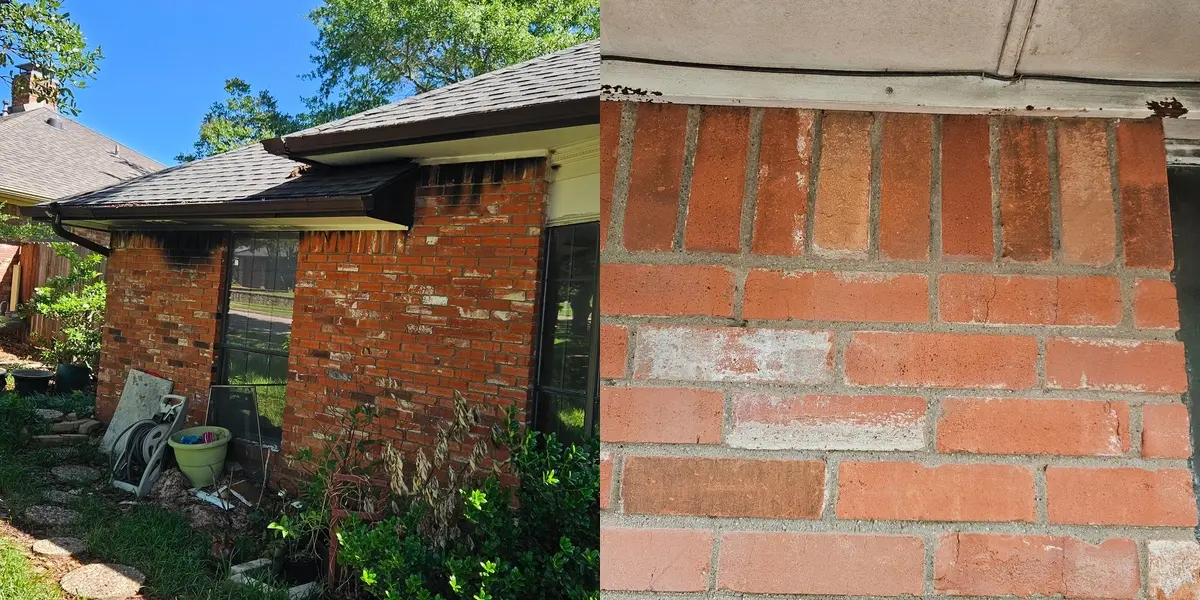
Remove smoke and char from fire-damaged historic structures without further harm.
- Soot removal from walls
- Smoke damage cleaning
- Char removal from wood
- Odor source elimination
Decorative Elements
Clean ornate details and architectural features without damage.
- Carved stone details
- Cast iron ornamentation
- Decorative woodwork
- Sculptural elements
Paint & Coating Removal
Remove inappropriate paint and coatings from historic surfaces.
- Paint from brick & stone
- Graffiti removal
- Failed coating removal
- Surface preparation
Wood Restoration
Clean historic timber and woodwork while preserving surface integrity.
- Historic timber frames
- Decorative millwork
- Wood siding
- Interior woodwork
Monuments & Statuary
Gentle cleaning for monuments, statues, and public art.
- Bronze & copper statuary
- Stone monuments
- Memorial structures
- Public art installations
Historical Building Dry Ice Blasting Services
Historic preservation demands cleaning methods that respect original materials, maintain architectural integrity, and comply with preservation standards. The Secretary of the Interior's Standards for Rehabilitation require that historic character be retained and preserved, that distinctive features not be destroyed, and that deteriorated historic features be repaired rather than replaced. Traditional cleaning methods—sandblasting, chemical stripping, high-pressure washing—violate these standards by causing irreversible damage to historic surfaces.
Our dry ice blasting services provide non-abrasive, non-destructive cleaning that meets preservation standards while effectively removing contaminants, soot, biological growth, and inappropriate coatings. The completely dry process prevents moisture infiltration that can damage historic masonry and structural systems. The gentle cleaning action preserves surface patina, maintains tooling marks and texture, and protects decorative elements that define a building's historic character.
Fire Damage Restoration for Historic Buildings
Fire-damaged historic structures require specialized cleaning that removes smoke and char damage without introducing additional harm. Our fire restoration cleaning services use dry ice blasting to remove soot from historic masonry, clean smoke-damaged wood, and eliminate char without the water damage and chemical introduction that traditional methods create. The dry process is especially valuable in historic buildings where moisture infiltration could compromise already-weakened structural systems.
Paint & Coating Removal
Historic masonry often carries layers of inappropriate paint applied during unsympathetic renovations. Removing paint from brick, stone, and terracotta is challenging because traditional methods—chemical strippers, sandblasting—damage the underlying substrate. Dry ice blasting removes paint and coatings while preserving the original surface, making it ideal for restoring painted-over historic facades to their original appearance.
Biological Growth & Pollution Removal
Historic buildings accumulate biological growth, atmospheric pollution, and environmental contamination over decades or centuries. Black carbon deposits, biological staining, and pollution crusts obscure original surfaces and accelerate deterioration. Dry ice blasting removes these contaminants without the aggressive scrubbing or chemical treatments that can damage aged materials. The process reveals original surface character while halting contamination-driven deterioration.
Compliance with Preservation Standards
Projects receiving historic tax credits, National Register properties, and buildings in historic districts must comply with preservation standards. Our dry ice blasting services meet the Secretary of the Interior's Standards by providing gentle cleaning that preserves historic character, maintains distinctive features, and repairs rather than replaces deteriorated elements. We work with preservation architects and State Historic Preservation Offices to ensure cleaning approaches meet all applicable standards.